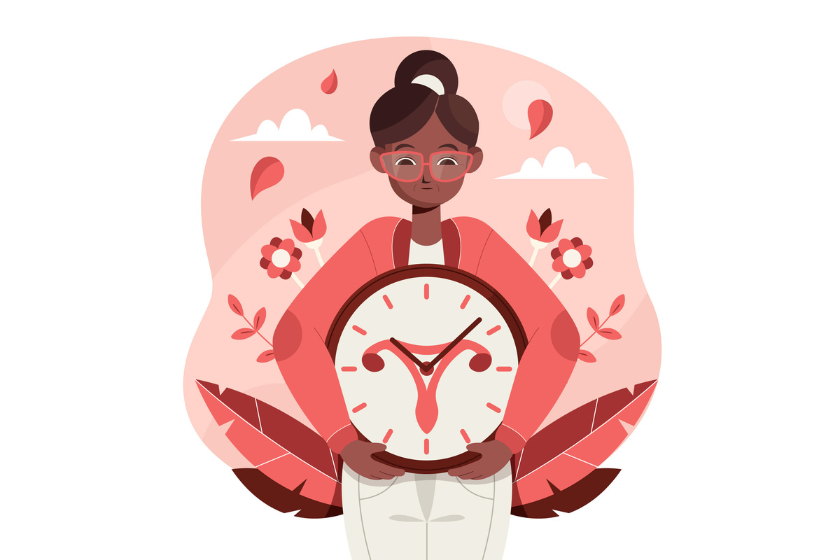
The menstrual cycle, typically lasting between 21 to 35 days, can significantly impact a person’s mental health and well-being due to hormonal fluctuations that influence mood, cognition, and emotional balance. While physical symptoms like cramps and fatigue are widely recognized, the cognitive and emotional changes that accompany the cycle are often less understood or, at times, even overlooked. This article explores the biological stages of the menstrual cycle, the hormonal changes that fuel them, and how these shifts contribute to psychological patterns such as premenstrual syndrome (PMS).
There are four phases in the menstrual cycle: menstruation, the follicular phase, ovulation, and the luteal phase. Each of these stages is characterized by distinct hormonal activity that can influence how a person feels, both physically and emotionally.
Hormonal fluctuations during the cycle not only influence the reproductive system but also the brain. Estrogen modulates neurotransmitters like serotonin and dopamine, both associated with mood regulation, motivation, and cognition. As estrogen levels increase, specifically during the follicular and ovulatory phases, individuals report having greater mental clarity and emotional stability.
Progesterone, the hormone most prominent in the luteal phase, interacts with GABA receptors, which can have a calming effect on the person. Although in some people, this specific hormonal balance may contribute to increased anxiety, moodiness, and irritability.
The sharp decline in estrogen and progesterone that leads up to the menstrual period is said to have a major role in the emotional symptoms experienced in the luteal phase
Most individuals report experiencing physiological or psychological changes in the week that leads up to menstruation. The symptoms, often ranging from fatigue, bloating, and acne flare-ups to emotional difficulties like irritability, low mood, and social withdrawal, fall under the umbrella of Premenstrual Syndrome (PMS)
PMS is frequently oversimplified as mere moodiness, but it is surrounded by a wide spectrum of hormonal and neurochemical changes. Although the exact reason is still unclear, the main theory behind PMS is that some people are more sensitive to normal hormonal fluctuations, especially the withdrawal effects as estrogen and progesterone fall.
Mood, energy, and cognitive functioning can significantly shift across the menstrual cycle. During the follicular and ovulatory phases, women tend to experience higher energy levels, clearer thinking, and improved sociability. On the other hand, the luteal phase is associated with a greater likelihood of negative mood states and higher emotional fragility.
It is pertinent to emphasise that these experiences are not universal, and each female has a different experience. While many females notice cyclical changes, others may not observe any dramatic shifts. Factors like mental health, stress levels, genetics, and lifestyle habits all contribute to how pronounced these effects are.
The menstrual cycle is biologically intricate, exerting force beyond just the reproductive organs. The hormonal changes that take place affect not only physical health, but emotional health too. Understanding the deeper connections between hormonal rhythms and mental health offers valuable insight into the lived experiences of all females.